
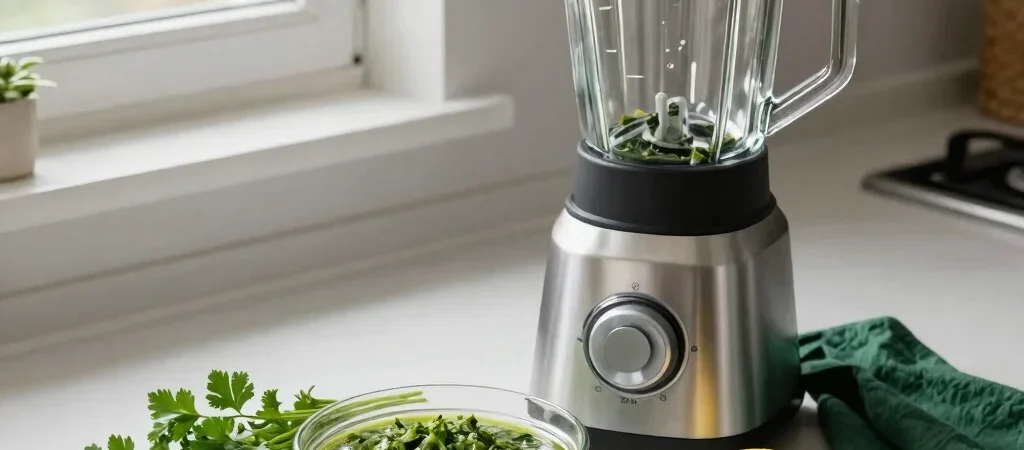
A blender can look convincing in a product photo and still be the wrong fit for a small kitchen or a household that mostly makes soup. Before comparing models, name the task you want it to handle most: smoothies, sauces, batch cooking, or blending soup directly in a pot. That answer narrows the choices more reliably than a crowded control panel.
Match the tool to the task
A countertop blender may suit someone who regularly makes drinks or larger batches, while an immersion blender can be easier to store and useful for blending soup in its cooking pot. Those are different tools with different trade-offs, not a claim that one is best for every kitchen. Check the manufacturer’s instructions for intended uses and limits, especially if you plan to blend hot mixtures or hard ingredients.
Think about where the appliance will live when it is not in use. Measure shelf height and counter space, and consider whether the jar, lid, and blade assembly are straightforward to wash according to the care instructions. A feature you use often is more valuable than an extra setting you do not need.
Compare the details you can verify
Before buying, review the stated capacity, included attachments, cleaning guidance, warranty terms, and replacement-part availability. Read product specifications alongside recent buyer feedback, paying attention to repeated practical comments rather than treating any single review as proof of performance. If the listing does not clearly answer a question that matters to you, look for the manufacturer’s documentation before deciding.
Disease Free Plate does not claim to have tested a particular blender in this guide, and no model is being presented as a medical or nutrition solution. Some links in our product coverage may be affiliate links, which means the publication may earn a commission if you buy through them, at no extra cost to you. Make a short list of your most common kitchen jobs and choose the appliance whose verified features fit those jobs.